
hagyj üzenetet
Ha érdeklik termékeink és szeretne többet megtudni a részletekről, kérjük, hagyjon üzenetet itt, amint tudunk válaszolunk.




Ez volt a legjobb vásárlásom ezen a télen! A színe és a kötése gyönyörű, és annyira kényelmes! New Yorkból Miamiba utaztam anélkül, hogy levettem volna. Szuper aranyos!!
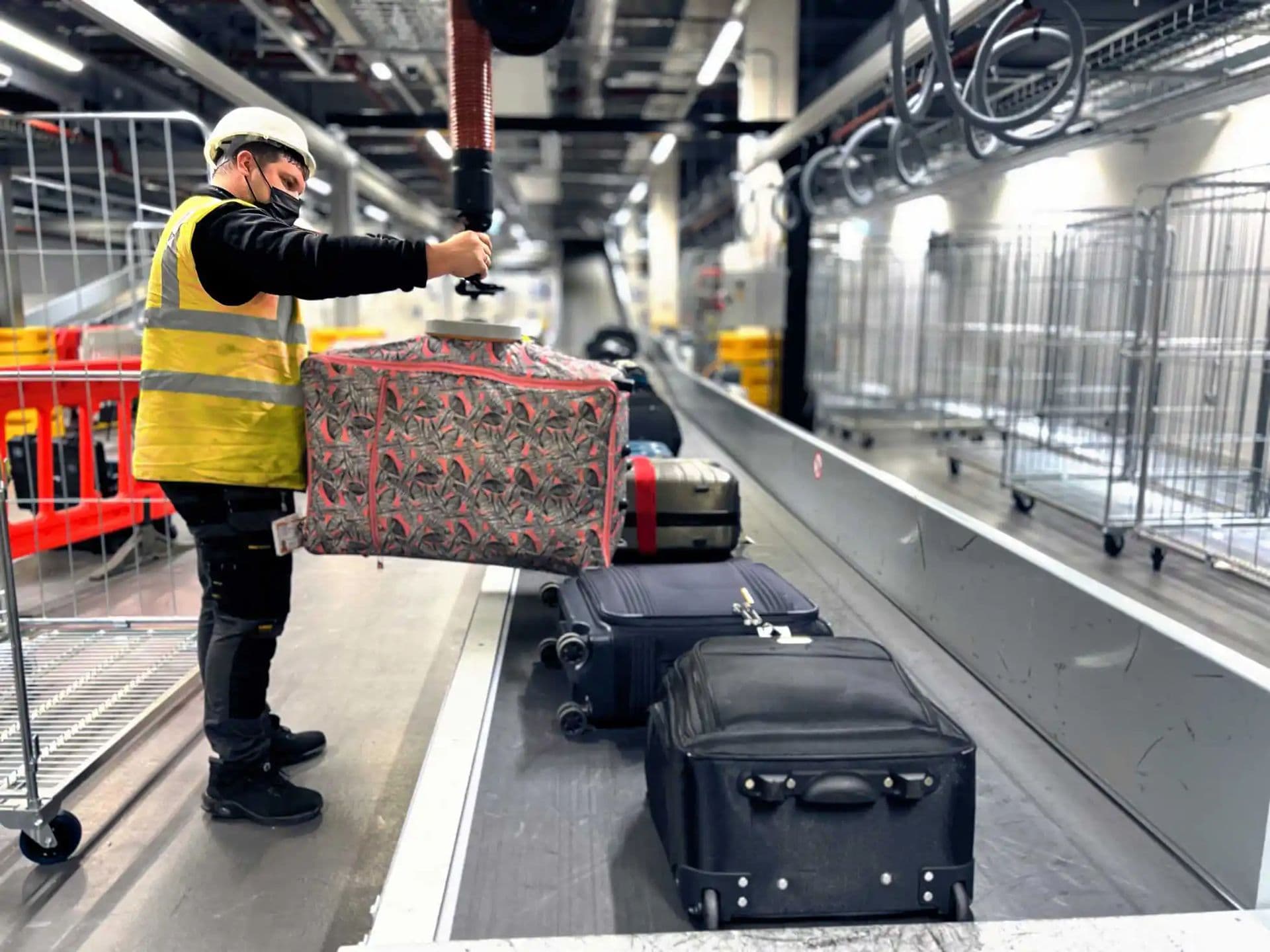
Nincs több elveszett poggyász: Hogyan javítja az RFID a repülőtéri poggyászkövetés és -válogatás hatékonyságát?
A globális légiközlekedési ágazat gyors növekedésével a repülőterek naponta hatalmas számú utast és poggyászt kezelnek. Különösen a nagyobb nemzetközi csomópont repülőtereken lehet, hogy csúcsidőben óránként több tízezer feladott poggyászt kell feldolgozni. Ugyanakkor az utazók ma már magasabb színvonalú szolgáltatást várnak el, és a poggyász biztonságos és időben történő megérkezése a légitársaságok szolgáltatási minőségének egyik kulcsfontosságú mutatójává vált.
A hagyományos vonalkód-alapú poggyászkezelő rendszerek azonban továbbra is számos működési kihívással néznek szembe. Az olyan problémák, mint a sérült címkék, az alacsony kézi szkennelési hatékonyság, a poggyászátadási hibák, valamint az utasok azon képessége, hogy valós időben nyomon tudják követni poggyászukat, továbbra is befolyásolják a repülőterek működését. Ezek a problémák nemcsak az utasok elégedettségét csökkentik, hanem a repülőterek és a légitársaságok működési költségeit is növelik.
Ennek fényében az RFID (rádiófrekvenciás azonosítás) technológia egyre kritikus fontosságú elemévé válik az intelligens repülőtér-fejlesztésnek. A vezeték nélküli azonosítás, az automatikus adatgyűjtés és a valós idejű információszinkronizálás révén az RFID segít a repülőtereknek a poggyász hatékonyabb és pontosabb nyomon követésében és automatizált válogatásában, jelentősen csökkentve az elveszett poggyászok régóta fennálló problémáját.
Sok repülőtér még mindig vonalkódos címkéket használ a poggyász azonosítására. Amikor az utasok feladják a poggyászukat, egy vonalkód-információkat tartalmazó poggyászcímkét nyomtatnak és rögzítenek a táskához. Szállítás közben a poggyásznak több ellenőrzőponton kell áthaladnia, beleértve a szállítószalag-rendszereket, a biztonsági ellenőrzéseket, a válogatórendszereket és a repülőgép rakodóterületeit, ahol a vonalkód-leolvasók folyamatosan olvassák a címke adatait.
A vonalkód-technológiának azonban számos korlátja van.
Először is, a vonalkód beolvasásához közvetlen rálátás szükséges. A szkennereknek pontosan a vonalkódhoz kell igazodniuk a sikeres beolvasáshoz. Ha a poggyász helytelenül van elhelyezve, vagy a címke össze van hajtva, sérült, piszkos vagy el van takarva, könnyen előfordulhatnak beolvasási hibák.
Másodszor, a hagyományos vonalkódos rendszerek általában egyszerre egy címkét olvasnak be. A csúcsforgalmi időszakokban, amikor nagy mennyiségű poggyász halad gyorsan át a repülőtéri rendszereken, a manuális vagy félautomata szkennelés szűk keresztmetszetet jelenthet.
Ezenkívül a nemzetközi átszálláskor felszállított poggyászok gyakran több terminálon, szállítószalag-rendszeren és légitársasági hálózaton haladnak át. Az adatszinkronizáció bármilyen késedelme vagy inkonzisztenciája a poggyász rossz útvonalon történő kézbesítéséhez, késésekhez vagy akár elvesztéshez vezethet.
A Nemzetközi Légi Szállítási Szövetség (IATA) statisztikái szerint a poggyászok helytelen kezelése évente több milliárd dollárba kerül a légiközlekedési ágazatnak. Az utasok késedelmes vagy elveszett poggyásszal kapcsolatos panaszai továbbra is a leggyakoribb szolgáltatási problémák közé tartoznak.
Az RFID technológia fő előnye, hogy képes tárgyakat automatikusan, fizikai érintkezés nélkül azonosítani.
A repülőtéri alkalmazásokban minden poggyászhoz egy RFID elektronikus címkét csatolnak, amely olyan információkat tartalmaz, mint a járatszám, az utas adatai, az úti cél és az átszállási útvonal. Ahogy a poggyász áthalad az RFID olvasási zónákon, a rendszer automatikusan összegyűjti az adatokat anélkül, hogy manuális szkennelést kellene végezni.
A hagyományos vonalkódos rendszerekkel összehasonlítva az RFID számos jelentős előnnyel rendelkezik.
Az RFID-olvasók egy bizonyos tartományon belül több címkét is képesek egyszerre azonosítani. Még ha a címkék részben blokkolva, ferdén vagy kissé sérültek is, a rendszer továbbra is pontosan tudja leolvasni őket.
Ez lehetővé teszi a repülőterek számára, hogy nagyszámú poggyászt gyorsan feldolgozzanak nagy sebességű szállítószalag-rendszereken, jelentősen javítva a válogatási hatékonyságot.
A vonalkódolvasás pontosságát befolyásolhatják a környezeti feltételek, míg az RFID általában sokkal magasabb olvasási sikerarányt biztosít. Nagy nemzetközi repülőtereken már a pontosság kismértékű javulása is jelentősen csökkentheti a napi poggyászkezelési hibák számát.
Az RFID-rendszerek képesek rögzíteni minden olyan ellenőrzőpontot, amelyen a poggyász áthalad, beleértve a következőket:
Bejelentkezési pultok
Biztonsági ellenőrzési területek
Automatizált válogatórendszerek
Repülőgép-rakodási zónák
Átszálló raktárak
Érkezési poggyász körhinták
Ennek eredményeként a repülőterek és légitársaságok valós időben nyomon követhetik a poggyász állapotát. Ha bármilyen probléma merül fel, a rendszer gyorsan azonosítani tudja a problémás területet.
A nemzetközi tranzitutasok számára az RFID segít automatikusan azonosítani az átszálló poggyászt, és dinamikusan igazítja az útvonalakat a repülési menetrendek alapján, csökkentve a téves útvonaltervezés kockázatát.
Ez különösen értékes járatkésések, kapuváltások vagy szűk csatlakozási idők esetén, ahol a gyors adatszinkronizálás kritikus fontosságú a működési hatékonyság fenntartása érdekében.
Az intelligens repülőtereken az RFID-technológiát jellemzően automatizált szállítószalag-rendszerekkel, PLC-vezérlőrendszerekkel, adatbázisokkal és mesterséges intelligencia által vezérelt ütemező platformokkal integrálják.
A folyamat általában a következőképpen működik:
A bejelentkezés után egy RFID-címkét helyeznek a poggyászra. A poggyász ezután belép a szállítószalag-rendszerbe.
Ahogy a poggyász áthalad a repülőtéren, a különböző ellenőrzőpontokon elhelyezett RFID-antennák folyamatosan olvassák a címke adatait. Miután a rendszer azonosítja a hozzárendelt járatot, az automatizált válogatóberendezés a megfelelő berakodási területre irányítja a poggyászt.
Ha rendellenes helyzeteket észlelnek, például:
Rossz útvonalon érkező poggyász
Járatmenetrend-változások
Nem elegendő átviteli idő
Sikertelen biztonsági ellenőrzés
A rendszer azonnal riasztásokat tud kiváltani, és automatikusan át tudja osztani a szállítási útvonalakat.
A hagyományos manuális válogatási módszerekkel összehasonlítva ez az automatizált megközelítés jelentősen csökkenti az emberi hibákat, miközben javítja az általános feldolgozási kapacitást.
A nagy repülőterek számára ezek a hatékonyságnövelések rendkívül fontosak.
A repülőtéri poggyászkezelő rendszerek lényegében nagy sűrűségű, időérzékeny logisztikai hálózatok, amelyek szoros koordinációt igényelnek. Az RFID valós idejű láthatóságot és intelligens működési vezérlést biztosít ezeknek a rendszereknek.
Az RFID technológia nemcsak a repülőtér működési hatékonyságát javítja, hanem az utasélményt is fokozza.
Régebben, miután az utasok feladták a poggyászukat, általában fogalmuk sem volt, hol van. Késés esetén csak a kiszolgáló pultoknál kérhettek segítséget.
Az RFID-rendszereknek köszönhetően a légitársaságok mostantól valós idejű frissítéseket tudnak nyújtani a poggyász állapotáról mobilalkalmazásokon keresztül, például:
Poggyász sikeresen feladva
A poggyász átment a biztonsági ellenőrzésen
Poggyász berakodása repülőgépre
Poggyász megérkezett a célállomásra
Poggyászt szállítanak a körhintára
Ez az átláthatósági szint nagymértékben csökkenti az utasok szorongását.
Az üzleti utazók, a prémium utasok és a nemzetközi tranzit utasok számára az ilyen szolgáltatásfejlesztések különösen értékesek.
A jövőben, ahogy az intelligens repülőtéri rendszerek folyamatosan fejlődnek, az utasok akár teljesen papírmentes poggyász-beszállási folyamatokat is tapasztalhatnak, ahol az RFID-címkék közvetlenül integrálódnak a digitális személyazonosság-ellenőrzési és elektronikus beszállórendszerekkel.
Az utóbbi években egyre több nemzetközi repülőtér kezdett el RFID poggyászkövető rendszereket telepíteni.
Néhány nagyobb légitársaság már bevezette a teljes RFID-lefedettséget a bejelentkezéstől az érkezésig, és folyamatosan optimalizálja a poggyászszállítási útvonalakat adatelemzés segítségével.
A Nemzetközi Légi Szállítási Szövetség (IATA) szintén aktívan támogatja a digitális átalakulást a légiközlekedési ágazaton belül, ösztönözve az intelligens azonosítási technológiák használatát a poggyászok helytelen kezelésének arányának csökkentése és a repülőterek hatékonyságának javítása érdekében.
A poggyászkezelésen túl az RFID-t széles körben használják a következőkben:
Repülőtéri vagyonkezelés
Földi berendezések nyomon követése
Alkalmazotti hozzáférés-vezérlés
Légi teherkonténer azonosítása
Repülőtéri raktárkezelés
Az RFID gyorsan az intelligens repülőterek egyik alapvető infrastruktúrájává válik.
Ahogy a globális légi utasforgalom folyamatosan növekszik, a hagyományos poggyászkezelő rendszerek egyre kevésbé képesek kielégíteni a modern repülőtéri igényeket.
Az RFID technológia nemcsak a poggyász azonosításának és válogatásának hatékonyságát javítja, hanem valós idejű láthatóságot és intelligens koordinációs képességeket is biztosít a repülőtéri logisztikai rendszerek számára.
A repülőterek számára az RFID alacsonyabb hibaszázalékot, magasabb automatizálási szintet és erősebb működési kapacitást jelent. A légitársaságok számára kevesebb kártérítési igényt és jobb ügyfél-elégedettséget. Az utasok számára pedig zökkenőmentesebb és megbízhatóbb utazási élményt jelent.
A jövőben, ahogy a dolgok internete, a mesterséges intelligencia és az automatizálási technológiák folyamatosan fejlődnek, az RFID még fontosabb szerepet fog játszani az intelligens repülőterek fejlesztésében.
Talán a közeljövőben az elveszett poggyász már nem lesz gyakori utazási probléma, hanem inkább a hagyományos repülőterek korszakának utóhatása.

Részletes információk és PDF

Ügyfélszolgálati e-mail elérhetőség.

Szakmai műszaki útmutatás.

Ügyfélszolgálati e-mail elérhetőség.



LINK

YouTube

hagyj üzenetet
Scan to Wechat/Whatsapp :



 IPv6 HÁLÓZAT TÁMOGATOTT